Articles & White Papers
-

2023
AI Myths and Misconceptions
A Comprehensive Review
Giving people realistic expectations and AI literacy can improve discussions about the benefits and costs of AI technology, how and when it should be used, and what we want our future with AI to look like. Written for a broad audience.
-
2025
Plan, Pitch, Perform
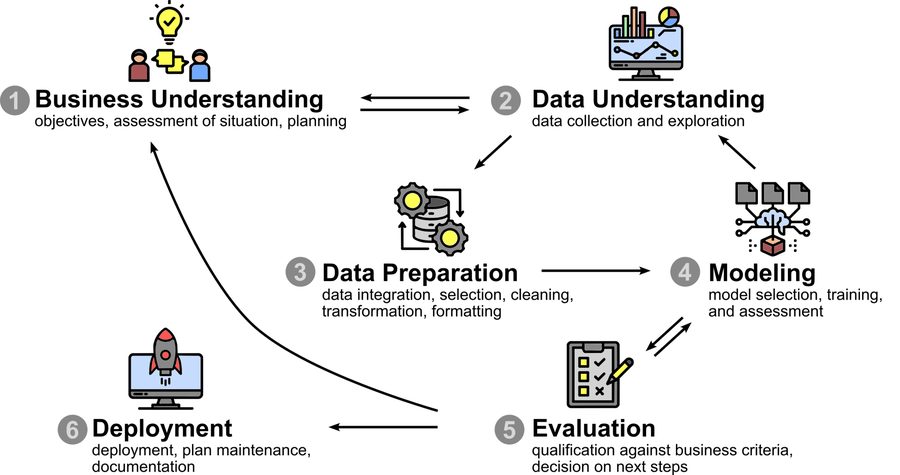
From Data Science Idea to Funded Project
Many data science projects never reach production. This is not just due to technical issues, but also because they lack a connection to real business and end-user needs. This practical guide shows how to plan, pitch, and execute a data science project.
-
2023
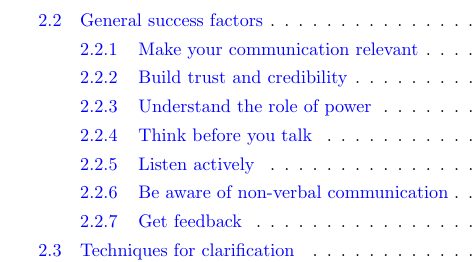
Successful Communication
of Complex Information
Complex information must be conveyed accurately and clearly. This 12-page guide aims at improving communication skills for technical experts. It was written primarily for data scientists who need to communicate findings to diverse stakeholders. It is applicable beyond that context.


Selected Peer-Reviewed Research
-
2022 · NeuRIPS 2022
Structuring Uncertainty
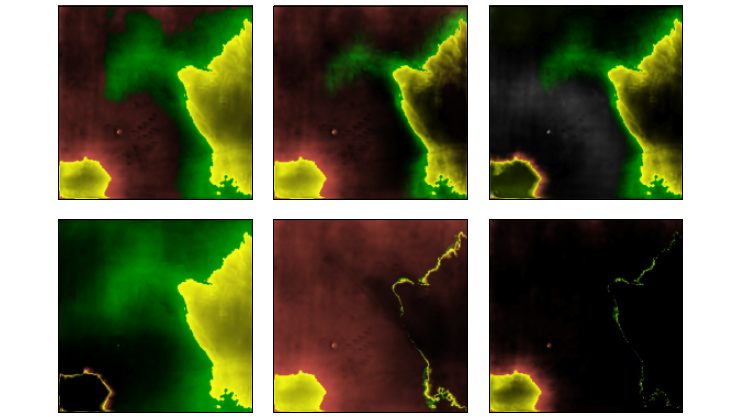
Fine-Grained Sampling in Stochastic Segmentation Networks
In this work, we explore Stochastic Segmentation Networks for image segmentation. These networks predict segmentation uncertainty, which we structure into meaningful components. This adds a layer of explainability that allows humans to fine-tune segmentation by adjusting these components individually.
-
2022 · IJCAI 2022
Evaluating Word Embeddings
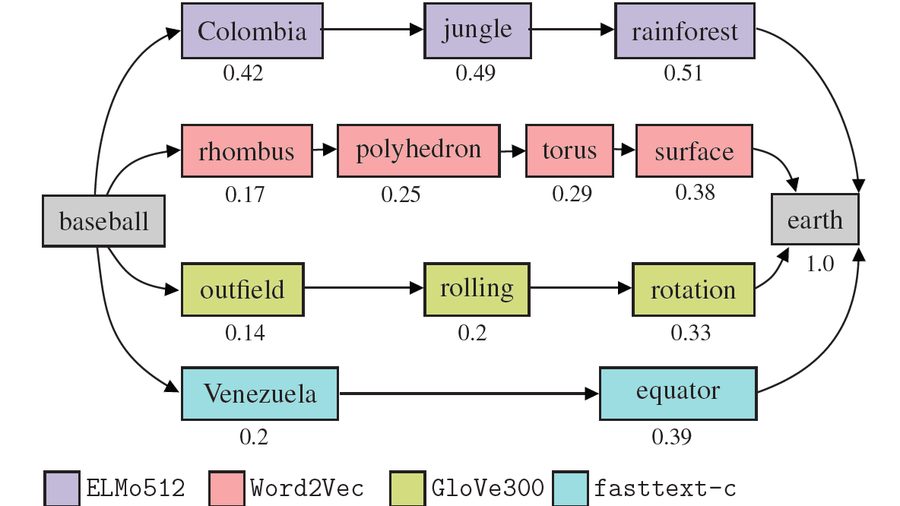
by Leveraging the Wikipedia Graph
We measure word embedding similarity by routing the Wikipedia hyperlink graph, which encodes similarities as edges between articles. This avoids costly human-created datasets and extends naturally to other languages available on Wikipedia.
-

2021 · UAI 2021
Robust Principal Component Analysis
for Generalized Multi-view Models
PCA is susceptible to data corruption. A robust approach decomposes a data matrix into a low-rank component (principal components) and a sparse component (corruptions). This paper shows the decomposition can be recovered exactly for grouped measurements when only the corrupted matrix is given.


